
VRCBB at a Glance
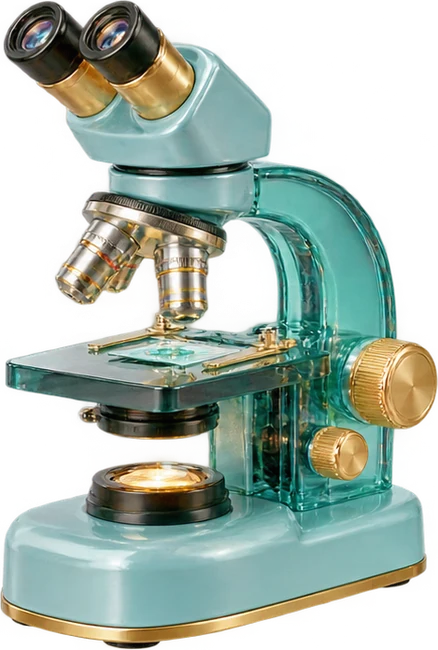
The Virtual Research Center for Bioinformatics and Biotechnology (VRCBB) is an independent, interdisciplinary research center established in Indonesia in 2024. VRCBB brings together scientists, academics, and researchers to advance scientific discovery and innovation in bioinformatics, biotechnology, and related life sciences. Guided by our three core pillars: Research, Education, and Collaboration, we are committed to fostering scientific excellence, strengthening international partnerships, and empowering the next generation of researchers. Through these efforts, VRCBB aims to address global challenges, advance human and animal health, and promote sustainable development in alignment with the United Nations Sustainable Development Goals (SDGs) and Indonesia Emas 2045.
Vision
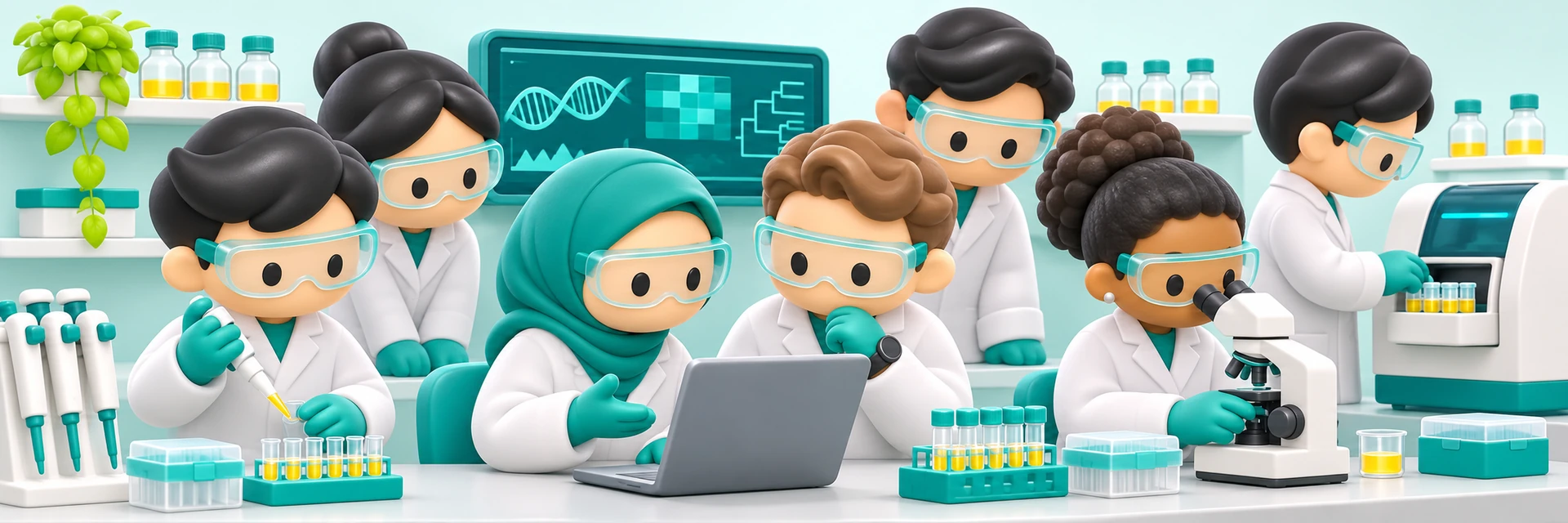
To become a leading, internationally recognized interdisciplinary research center in bioinformatics and biotechnology, advancing scientific excellence and innovation, empowering the next generation of researchers, and contributing to sustainable development through Research, Education, and Collaboration.
Mission
The Virtual Research Center for Bioinformatics and Biotechnology (VRCBB) is committed to advancing scientific knowledge, strengthening research capacity, and fostering an inclusive and collaborative research ecosystem through the following missions:
Promotes high-quality, interdisciplinary research in bioinformatics, biotechnology, and related life sciences by integrating computational and experimental approaches to address emerging scientific, health, and environmental challenges.
Strengthens scientific capacity through education, mentorship, research internships, professional training, and knowledge-sharing initiatives, particularly for students and early-career researchers.
Establishes and expands national and international research networks and strategic partnerships among scientists, academic institutions, research organizations, and industry partners to foster interdisciplinary cooperation, scientific exchange, and collaborative innovation.
Upholds scientific excellence, integrity, and objectivity by promoting rigorous, ethical, and transparent research practices, high-quality scientific publications, responsible knowledge dissemination, and equitable access to scientific opportunities.
Advances the development and application of scientific discoveries and emerging biotechnologies to improve human and animal health, support sustainable development, and contribute to scientific progress in Indonesia and globally.
The Story Behind VRCBB
The rapid advancement of bioinformatics, biotechnology, and molecular sciences has transformed our understanding of biological systems and created new opportunities for scientific discovery. Breakthroughs in genomics, artificial intelligence, high-throughput sequencing, computational biology, and emerging biotechnologies have accelerated progress in disease research, drug discovery, vaccine development, and precision medicine.
Despite these advances, significant disparities remain in access to research infrastructure, advanced technologies, scientific training, mentorship, and international collaboration, particularly in developing countries.
In Indonesia, strengthening scientific research capacity and fostering interdisciplinary cooperation remain important priorities for advancing innovation and global competitiveness. Many students, early-career researchers, and emerging research communities continue to encounter challenges in accessing specialized expertise, advanced research resources, and meaningful opportunities for international scientific engagement.
Meanwhile, increasingly complex global challenges, including emerging and re-emerging infectious diseases, antimicrobial resistance, cancer, and environmental threats, require integrated scientific approaches that transcend traditional disciplinary and institutional boundaries.
Addressing these challenges demands more than technological advancement. It requires an inclusive, collaborative, and accessible research ecosystem where scientists can exchange knowledge, share expertise, develop innovative ideas, and contribute to high-quality scientific research regardless of geographical or institutional limitations.
We believe that scientific potential exists everywhere, but opportunities to develop and realize that potential are not always equally accessible.